


سودوکوی کیلر - بهجای اعداد شروع، مجموع قفسها؛ تکنفره یا با دوستان
 سودوکوی آنلاین
3.0
امتیاز
0
0
سودوکوی کیلر
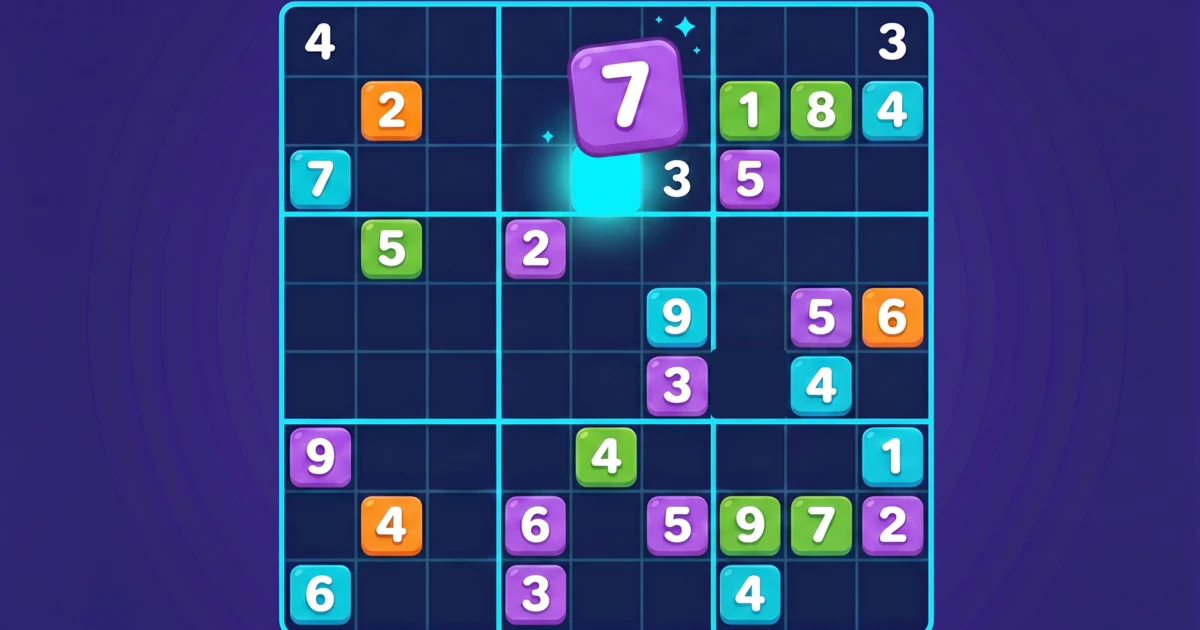
سودوکوی کیلر یک واریانت رایگان و آنلاین از سودوکو است که بهجای عددهای اولیه، مجموعها را در اختیارت میگذارد. جدول به قفسها تقسیم شده است، گروههای کوچک از خانههای کنار هم که با خطچین مشخص شدهاند، و روی هر قفس مجموعی نوشته شده که رقمهایش باید به آن برسند. هیچ رقمی درون یک قفس تکرار نمیشود و بقیهاش سودوکوی معمولی است: هر ردیف، هر ستون و هر کادر ۳×۳ رقمهای ۱ تا ۹ را دقیقاً یکبار دارد. همین حالا میتوانی اینجا در مرورگرت بازیاش کنی، تنها یا با دوستان روی یک جدول مشترک، در چهار درجهٔ سختی، بدون دانلود و ثبتنام.
چون قفسها اطلاعات را در خود دارند، جدولهای کیلر تقریباً خالی شروع میشوند. یک معمای آسان اینجا با چهار رقم اولیه باز میشود و حرفهای معمولاً بدون هیچ رقمی شروع میشود، پس حرکت اولت از حسابوکتاب میآید، نه از گشتن دنبال عددی که از قبل روی جدول باشد.
قوانین سودوکوی کیلر
دو قانون علاوه بر سودوکوی معمولی وجود دارد و هر دو دربارهٔ قفسها هستند. رقمهای یک قفس باید با هم برابر عدد کوچک گوشهٔ بالا-چپش شوند و هر رقم فقط یکبار میتواند درون یک قفس ظاهر شود. قانون دوم مهمتر از چیزی است که به نظر میرسد، چون همان چیزی است که یک مجموع را به دردبخور میکند. یک قفس سهخانهای با مجموع ۷ میتوانست ۱+۲+۴ یا ۱+۳+۳ باشد اگر تکرار مجاز بود، اما نیست، پس ۱+۲+۴ تنها گزینه است و هر سه خانه پیش از اینکه چیز دیگری گذاشته باشی مشخص میشوند.
مجموعهای خیلی بالا یا پایین راه ورود هستند. مجموعهای کم باید از رقمهای کوچک استفاده کنند و مجموعهای زیاد باید رقمهای بزرگ را داشته باشند، پس یک قفس دوخانهای با مجموع ۳ شامل ۱ و ۲ است، یک قفس دوخانهای با مجموع ۱۷ شامل ۸ و ۹ است و یک قفس سهخانهای با مجموع ۲۴ شامل ۷، ۸ و ۹ است. مجموعهای میانه مثل ۱۵ مبهمترین هستند و معمولاً آخر از همه پر میشوند.
تکنیک دیگری که ارزش دارد زود یاد بگیری، قانون ۴۵ است. هر ردیف، ستون و کادر ۳×۳ هر رقم را یکبار دارد، پس مجموع هرکدام ۴۵ است. یک ردیف، ستون یا کادر پیدا کن که همهٔ قفسهایش کاملاً داخل آن باشند، بهجز یکی دو خانه، مجموع قفسها را با هم جمع کن و اختلافش با ۴۵ همان چیزی است که باقی مانده.
یک نکتهٔ آخر: یک قفس میتواند فقط یک خانه داشته باشد. در این صورت مجموعش همان رقمی است که باید آنجا قرار بگیرد، یعنی دقیقاً مثل یک عدد اولیه در سودوکوی کلاسیک. معماهای آسان اینجا هشتتا از اینها دارند و حرفهای سهتا، و این فاصله بخش بزرگی از دلیل حس متفاوت درجههای سختی است.
بازی رایگان سودوکوی کیلر آنلاین
جدول بالای این صفحه از قبل روی حالت کیلر تنظیم شده، پس زدن دکمهٔ بازی کن سریعترین راه شروع است. از هرجای دیگر Foony، سودوکو را باز کن، «ایجاد اتاق» را انتخاب کن و کارت سودوکوی کیلر را از پیشتنظیمها بردار، یا تنظیم واریانت را در هر اتاقی که میسازی از کلاسیک به کیلر تغییر بده.
چهار درجهٔ سختی هم شکل قفسها و هم مقدار رایگانی از جدول را که میگیری تغییر میدهند:
آسان و متوسط
قفسها تا چهار خانه دارند و تعداد زیادی از آنها فقط یک خانه دارند. آسان با چهار رقم اولیه و متوسط با یک رقم شروع میشود، علاوه بر قفسهای تکخانهای.
سخت و حرفهای
قفسها تا پنج خانه کشیده میشوند و قفسهای تکخانهای کم میشوند. هر دو معمولاً بدون هیچ رقم اولیهای شروع میشوند، پس مجموعها تمام چیزی هستند که داری.
هر معما دقیقاً یک راهحل دارد و پیش از اینکه آن را ببینی بررسی میشود. سازنده قفسها را از یک جدول کامل میسازد و بعد نتیجه را با قوانین کیلر حل میکند تا مطمئن شود جواب اجباری است، پس هیچوقت لازم نیست حدس بزنی.
بقیهٔ تنظیمات اتاق همانطور که در سودوکوی کلاسیک کار میکنند، عمل میکنند. میزان تحمل اشتباه میتواند معمولی (نامحدود)، نرمال (سه اشتباه) یا کمالگرا (یک اشتباه و پایان معما) باشد. میزبان میتواند برای آن زمانسنجی از ۵ تا ۶۰ دقیقه بگذارد یا آن را خاموش بگذارد. حلهای کیلر برای همان پاداش نسبت به کلاسیک زمان بیشتری میگیرند، چون طولانیترند، و با مقیاس خودشان امتیازدهی میشوند تا حل طولانی جریمه نشود.
وقتی بازی میکنی، جدول هم با تو حسابوکتاب میکند. مجموع هر قفس در گوشهٔ خانهٔ اولش قرار دارد، وقتی قفس کامل و درست شود سبز میشود و همان لحظهای که رقمهایت از مجموع بگذرند قرمز میشود، پس اشتباه همانجا معلوم میشود، نه چهل خانه بعد. انتخاب یک خانه بقیهٔ قفسش را رنگی میکند که سریعترین راه دیدن شکل قفسی است که دور یک گوشه پیچیده. یادداشتهای مدادی هم دقیقاً مثل سودوکوی کلاسیک کار میکنند.
سودوکوی کیلر چندنفره
کیلر واریانت سودوکویی است که بیشترین سود را از یک جفت چشم دوم میبرد و هر اتاق Foony از آن پشتیبانی میکند. وقتی اتاق را میسازی همکاری را روشن کن تا همه به یک تیم واحد با یک جدول مشترک و نشانگرهای زنده بپیوندند. اینطوری میتوانید جدول را بر اساس ناحیه تقسیم کنید، یک نفر روی حسابوکتاب قفسها کار کند و نفر دیگر ردیفها را بررسی کند، یا فقط دربارهٔ گوشهای که باز نمیشود با هم حرف بزنید. همچنین آسانترین راه برای یاد دادن این واریانت به کسی است، چون میتواند بهجای خواندن دربارهاش، باز شدن یک قفس را تماشا کند.
همکاری را خاموش بگذار تا هرکس همان معما را روی جدول خودش بگیرد و هرکه زودتر قانونی تمامش کند برنده شود. این حالت یک مسابقهٔ ۱ در برابر ۱، بازی فقط با دوستان و اتاق تورنمنت را پوشش میدهد که تا ۱٬۰۰۰ بازیکن را روی یک بذر نگه میدارد. لینک اتاق را به اشتراک بگذار تا دیگران از هر مرورگر مدرنی روی دسکتاپ، تبلت یا گوشی وارد شوند. برای بازی به حساب کاربری نیازی نیست، فقط برای نگه داشتن سطحها، رتبهها و بازکردنیها در دستگاههای مختلف لازم است.
نکتهها و ترکیبهای قفس در سودوکوی کیلر
اول دنبال قفسهای خیلی بالا یا پایین بگرد. پیش از اینکه چیزی بگذاری، قفسهای دوخانهای با مجموع ۳، ۴، ۱۶ یا ۱۷ و قفسهای سهخانهای با مجموع ۶، ۷، ۲۳ یا ۲۴ را پیدا کن. هرکدام از اینها دقیقاً یک مجموعهٔ ممکن از رقمها دارند و یک قفس مشخصشده معمولاً از راه قوانین معمول ردیف و ستون، یک قفس دوم هم به تو میدهد.
قانون ۴۵ را در لبههای جدول به کار ببر، جایی که احتمال دارد کادرها فقط یک خانه بیرونزده از یک قفس داشته باشند. این قانون برای چند ردیف یا ستون همزمان هم کار میکند. دو ردیف کامل مجموعاً ۹۰ میشوند و سه ردیف ۱۳۵، پس قفسی که یک خانه را از یک نوار سهردیفی بیرون میبرد، آن خانه را لو میدهد.
حواست به قفسهای درون یک ردیف، ستون یا کادر باشد. رقمهای آنها در هیچ جای دیگری از همان واحد هم نمیتوانند تکرار شوند، پس یک قفس دوخانهای با مجموع ۱۶ در یک کادر، ۷ و ۹ را از هر خانهٔ دیگر آن کادر حذف میکند که اغلب از دانستن جای دقیقشان مفیدتر است.
سخت و حرفهای را در حالت معمولی بازی کن تا حسابوکتاب برایت طبیعی شود. یک رقم اشتباه در کیلر معمولاً از اشتباه در شمارش میآید، نه از استنتاج غلط، و از معمایی که با یک اشتباه تمام میشود چیز زیادی نمیتوان یاد گرفت. وقتی دیگر اشتباه نمیشماری به حالت کمالگرا برو و بعد دنبال پیروزی بینقص باش.
لیدربوردها، دستاوردها و تختههای سودوکو
حلهای کیلر برای همهچیزی که حلهای کلاسیک به حساب میآیند، حساب میشوند. بردها وارد لیدربوردهای سودوکو میشوند که میتوانی بر اساس روز، هفته، ماه، سال یا تمام دوران فیلترشان کنی.
هشت دستاورد سودوکو وجود دارد و کیلر راه خوبی برای رسیدن به بیشترشان است. پیروزی بینقص از تو صفر اشتباه در هر معما میخواهد، استاد ذن حل کردن بدون راهنما را میخواهد، و سخت مثل میخ و استاد معما حلهای سخت و حرفهای با سه اشتباه یا کمتر را میخواهند که همهشان روی جدول کیلر هم حساب میشوند. حل سریع را برای کلاسیک بگذار، چون یک معمای آسان میخواهد که در کمتر از پنج دقیقه تمام شده باشد.
بازی کردن همچنین تختهها و سبکهای عدد سودوکو میدهد. ۱۲ تخته وجود دارد، از جمله چوبی، باغ ذن، بلوپرینت و نئون، و ۱۲ سبک عدد مثل قلمموی جوهری، خودنویس و زراندود، که سبک خوشنویسی در سطح ۵۰ داده میشود. اینها فقط ظاهر جدول را تغییر میدهند و هیچچیز دیگر را نه. دورخطهای نقطهچین قفسها و مجموعشان روی هر تختهای که مجهز کرده باشی کشیده میشوند.
سودوکوی کلاسیک و معماهای دیگر
اگر حسابوکتاب قفسها برایت تازه است، صفحهٔ سودوکو قوانین پایهای را که این واریانت بر آنها ساخته شده پوشش میدهد، همراه با همان اتاقهای همکاری، مسابقهها و درجههای سختی. اول حل کردن یک معمای کلاسیک سخت، یاد گرفتن کیلر را خیلی آسانتر میکند، چون وقتی قفسها یک دوجین رقم به تو داده باشند، بقیهٔ حل همان سودوکوی معمولی است.