



Spades - Spades Online Grátis: o Clássico em Parceria e Cutthroat para 2-6 Jogadores
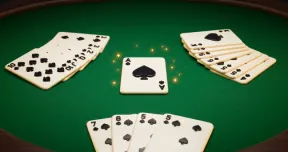 Cutthroat Spades
4.3
Avaliação
15
3

Spades Online: O Jogo de Apostas, Jogado do Jeito Certo
Foony Spades é um jogo de cartas de spades online e gratuito, com salas por link de convite, o clássico modo de duplas para 4 jogadores, um modo cutthroat para 2 a 6 jogadores e 4 níveis de dificuldade de bots. As regras seguem o manual à risca: apostas nil valem ou custam 100, cada vaza extra é um bag, dez bags te custam 100 pontos, e o primeiro lado a alcançar a pontuação-alvo da sala estando na frente leva o jogo. Não tem cadastro nem nada para instalar; a página abre direto num lobby e a próxima rodada está a um clique de distância.
O Spades conquistou seu lugar no topo da família dos jogos de vaza do jeito mais difícil. Ele se espalhou pelos alojamentos dos soldados americanos nos anos 1940 justamente porque é rápido de distribuir, cruel com quem aposta errado e infinitamente rejogável, e desde então virou presença fixa em repúblicas, salas de descanso e mesas de cozinha. O que o torna especial é o contrato: diferente da maioria dos jogos de cartas, você declara sua pontuação antes de jogar uma única carta.
Jogue Spades Online com Amigos ou Contra Bots
Crie uma sala, compartilhe o link e seus amigos entram em segundos pelo celular, tablet ou navegador do computador. O anfitrião escolhe o formato da sala no lobby: Duplas para o clássico 2v2 com parceiros em lados opostos da mesa, ou Cutthroat para cada jogador por si. A pontuação-alvo também é configurável. Jogue até 100 para uma partida de intervalo de café, 200 ou 300 para uma sessão padrão, ou os tradicionais 500 para uma noite inteira. Um cronômetro de turno (20 segundos por padrão, de 5 a 60 ou desligado de vez) mantém a mesa em movimento.
Faltou gente? Bots preenchem qualquer cadeira em quatro níveis: Fácil, Casual, Habilidoso e Especialista. Uma sala solo te coloca na configuração clássica, com um bot parceiro do outro lado da mesa e dois bots adversários, e o Especialista aposta suas mãos com tanta precisão que conversinha na mesa não vai te salvar. Vitórias solo dão XP proporcional ao nível que você escolher.
As salas também vão muito além da mesa. Uma sala de Foony Spades cabe até 100 pessoas: os jogadores extras entram na fila atrás de uma cadeira, veem a mão daquela cadeira e se alternam em rodízio, uma carta cada, para que ninguém numa festa fique só assistindo de fora.
Spades Cutthroat para 2, 3 ou Mais Jogadores
O spades cutthroat (o jogo sem parceiros) é onde a mesa fica maldosa, porque ninguém vem cobrir a sua aposta. O Foony distribui as cartas de acordo com o número de jogadores:
2 Jogadores
13 cartas para cada, mano a mano. O jeito mais rápido de aprender a apostar, e metade do baralho fica escondida.
3 Jogadores
A clássica distribuição para 3: 17 cartas para cada, uma carta fora de jogo e apostas que sobem às alturas.
4 a 6 Jogadores
13, 10 ou 8 cartas para cada. Mais cadeiras significa mãos mais magras e brigas mais feias por cada vaza.
O spades de dois joga de um jeito bem diferente da mesa cheia: com 26 cartas nunca distribuídas, você não consegue contar naipes com certeza, então ler as saídas do adversário importa mais do que memorizar o que já saiu. O spades de três vai para o outro extremo, já que mãos de 17 cartas tornam naipes longos de espadas e apostas de dois dígitos coisa rotineira. Todos os tamanhos de cutthroat mantêm o conjunto completo de regras, incluindo apostas nil e penalidades de bags.
Como Jogar Spades
Primeiro, a palavra que destrava tudo: uma vaza é uma única rodada de jogo em que cada jogador coloca uma carta na mesa, e a melhor carta leva o pequeno monte. Uma mão de 13 cartas é simplesmente 13 vazas em sequência. Toda mão passa pelos mesmos quatro momentos:
1 · Aposte
Olhe suas cartas e prometa quantas vazas você vai ganhar nesta mão. Essa promessa é o seu contrato. Prometer zero se chama nil, um desafio de 100 pontos. As promessas dos parceiros se somam.
2 · Siga o Naipe
Joga-se no sentido do relógio, uma carta cada. Você precisa jogar o mesmo naipe da primeira carta da vaza, se tiver. Não tem nenhuma carta desse naipe? Então pode jogar qualquer carta que quiser.
3 · Espadas Mandam
Espadas ganham de todos os outros naipes, não importa o número; é isso que significa "trunfo". A espada mais alta leva a vaza, ou a carta mais alta do naipe inicial se nenhuma espada aparecer. Quem ganha começa a próxima vaza.
4 · Pontue
Cumpra a promessa e cada vaza apostada vale 10 pontos. Fique abaixo e você perde 10 por cada vaza apostada. Vazas além da aposta são bags: 1 ponto agora, encrenca grande quando chegam a dez.
Mais uma regra derruba todo jogador novo: você não pode começar uma vaza com uma espada até que alguém tenha jogado uma espada na vaza de outro naipe (a não ser que espadas sejam tudo o que sobrou na sua mão). Veja uma vaza acontecer abaixo. A coroa dourada fica sobre a carta que está ganhando, e olha onde ela vai parar:
Passo 1 · A Saída
O 9 de paus começa a vaza. Ele usa a coroa por enquanto, e todo jogador depois dele precisa jogar paus, se tiver.
Passo 2 · A Cobertura
Entra o rei de paus. Ele é o paus mais alto até agora, então a coroa salta para o rei.
Passo 3 · O Corte
O último jogador não tem nenhum paus, então pode jogar o que quiser. Ele escolhe o minúsculo 2 de espadas e, como espadas ganham de todos os outros naipes, o 2 rouba a coroa e a vaza inteira.
E aqui está quanto uma mão de apostas realmente paga. Estas são as regras padrão em estilo de torneio documentadas na página de referência de regras de Spades do Pagat, pontuadas exatamente assim:
A Folha de Pontuação
Você prometeu 4 vazas e ganhou 6
Promessa cumprida: 4 vazas × 10 pontos, mais 1 ponto por cada extra. As 2 vazas extras são "bags". Não esqueça delas.
+42
Você prometeu 4 vazas mas ganhou só 3
Faltar uma é tão ruim quanto faltar quatro: a promessa inteira falha, 10 pontos perdidos por vaza prometida.
-40
Você apostou nil e ganhou zero vazas
O desafio de 100 pontos deu certo. Ganhe uma única vaza e isso vira -100.
+100
Chega o seu décimo bag
Aqueles extras de 1 ponto eram um empréstimo. Junte dez deles ao longo do jogo e a penalidade cai, depois a contagem recomeça.
-100
Nos jogos de duplas, as promessas dos dois parceiros se juntam em um contrato único que eles cumprem ou perdem juntos. A aposta nil é a exceção: um nil é sempre pontuado individualmente, e qualquer vaza que um nil fracassado ganhe sem querer ainda conta como bag para o time.
Estratégia de Spades: Aposte Justo, Segure os Bags
Conte sua aposta de cima para baixo: um ás é uma vaza, um rei protegido é quase uma, e cada espada além da terceira é praticamente automática. Um naipe em que você tem uma carta ou nenhuma, com espadas de sobra atrás, vale mais uma. Se a conta honesta cair entre dois números, aposte o menor; bags são um vazamento lento e um contrato quebrado é uma enchente.
Jogue suas cartas mais baixas do seu naipe comum mais longo cedo. Isso esvazia aquele naipe das outras mãos para que suas espadas ganhem vida, e ensina quem ficou sem o quê. Guarde suas espadas altas para as vazas que importam, nunca gaste o ás de espadas numa vaza que seu parceiro já está ganhando, e uma vez que sua aposta esteja garantida, comece a perder de propósito: jogue suas cartas grandes e perigosas em vazas que um adversário já fechou, para que essas cartas paguem de te dar bags depois.
O nil é um contrato de toda a dupla. Se seu parceiro apostar nil, saia com suas cartas comuns mais altas para que ele possa esconder as perigosas embaixo, e passe na frente do seu parceiro sem hesitar se ele estiver a ponto de ganhar uma vaza. A folha de pontuação no canto da mesa mostra os bags de cada lado o tempo todo, então você vê a penalidade de 100 pontos chegando cinco vazas antes de ela cair.
Rankings e Conquistas
Cada partida alimenta os rankings de Spades, com quadros diários, semanais, mensais, anuais e de todos os tempos para escalar. As oito conquistas de Spades percorrem toda a gama emocional do jogo: Entrada na Mesa pelo seu primeiro jogo concluído, Aposta Perfeita por acertar três contratos exatos e sem bags em sequência, Nil na Veia e Grande Apostador pelos dois sabores de audácia, Fez um Boston por levar todas as vazas de uma mão, Rei da Virada por ganhar depois de estar 150 pontos atrás, Campeão Cutthroat por vencer uma mesa solo de quatro ou mais (bots de treino abaixo de Habilidoso não contam) e Sandbagger por engolir a penalidade completa de dez bags e ainda assim vencer.

Contratos cumpridos e quebrados rendem moedas Foony e XP de conta, um progresso que você mantém não importa para qual jogo Foony você vá em seguida. Os vencedores só levam uma fatia mais gorda.

Spades vs Hearts: Dois Jogos de Vaza, Almas Opostas
Spades e Hearts distribuem as mesmas 52 cartas para as mesmas quatro cadeiras e então fazem perguntas opostas. Hearts é um jogo de evitar: as vazas são radioativas, e vence quem melhor se esquivou. Spades é um jogo de cumprir promessas: as vazas são moeda, e vence quem previu a própria mão com mais honestidade. Se você gosta da tensão constante e sutil de um contrato que precisa ser entregue, Spades é o poço mais fundo, e a regra dos bags pune até quem entrega demais. Quando você quiser a mesma energia de mesa com cartas para gritar, Foono, nosso jogo de cartas no estilo UNO, troca a disciplina das apostas pelo caos nas mesmas salas instantâneas.