



Breakout - Kostenloses Multiplayer-Breakout: Wettrennen mit Freunden an derselben Steinmauer
4.5
Bewertung
23
3
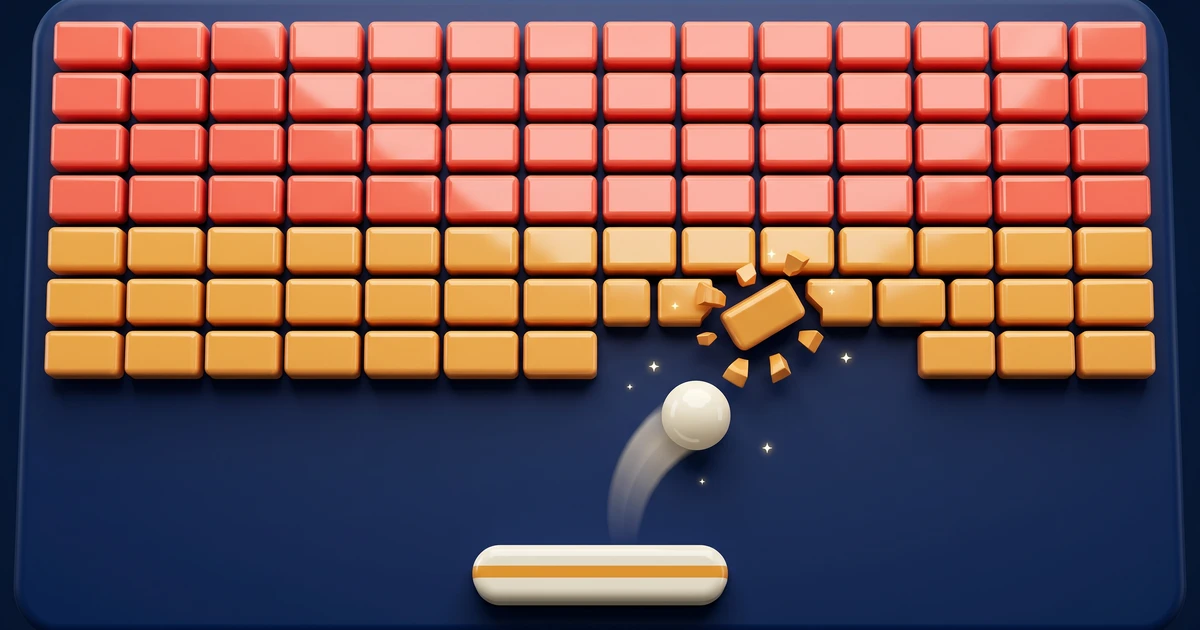
Breakout Online: Eine Steinmauer, alle im Wettrennen
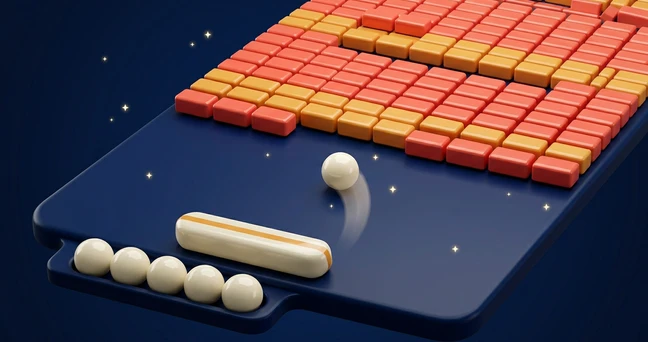
Foony Breakout ist ein kostenloses Online-Breakout-Spiel, in dem alle gleichzeitig durch dieselben endlosen Level rasen: Räumst du deine Mauer ab, fällt sofort die nächste, härtere herein. Dein Spielfeld füllt den Bildschirm, die Mauern deiner Gegner schrumpfen daneben zu lebenden Mini-Boards und bröckeln in Echtzeit, während das Rennen enger wird. Schiebe das Paddle mit Maus oder Finger, lass den Ball über die Kanten abprallen, um Winkel zu schnitzen, und schau zu, wie Steine in Konfetti aus Splittern zerplatzen, während dein Combo-Zähler klettert. Die Seite lädt direkt in eine Lobby: nichts zu installieren, kein Konto nötig.
Solo-Steinbrecher gibt es seit 1976. Was diese Seite ergänzt, ist genau das, was dem Genre immer gefehlt hat: jemand, gegen den man verlieren kann. Standardmäßig ist die Runde endlos und dauert, bis der letzte Ball aller Spieler weg ist. Die höchste Punktzahl gewinnt, also ist jeder Stein, den du zerlegst, ein Stein, auf den dein Gegner eine Antwort finden muss.
Multiplayer Breakout: Wettrennen gegen Freunde oder Bots
Klicke auf „Mit Freunden spielen“, teile den Raumlink, und alle, die beitreten, spielen dieselbe Levelabfolge (gleiche Layouts, gleiche gepanzerte Steine, alles gleich). Die einzige Variable ist also, wer schneller ist. Räume fassen locker kleine Gruppen und skalieren auf 100 Boards für Chaos in Klassenzimmergröße, wobei jeder Gegner als lebende Mini-Mauer in der Punkteleiste sichtbar ist, sortiert nach Punktzahl.
Lieber allein? Setz Bots in fünf Schwierigkeitsstufen an den Start: Eingerostet, Solide, Geübt, Experte und Unaufhaltsam. Eingerostet verliert Bälle und trödelt zwischen den Steinen, Geübt hält ein stabiles menschliches Tempo, Unaufhaltsam frisst ganze Level in erschreckendem Tempo und verliert praktisch nie einen Ball. Bots spielen auf ihren eigenen Boards genau wie menschliche Spieler, und Solo-Siege bringen XP passend zur gewählten Stufe.
Steinmuster, Ballgeschwindigkeit und Hausregeln
Level werden an jedes Board identisch ausgeteilt, aus neun Stage-Formen. Der Host kann eine Form festpinnen oder Zufall rotieren lassen, damit keine zwei aufeinanderfolgenden Level gleich sind. Fünf der Formen:
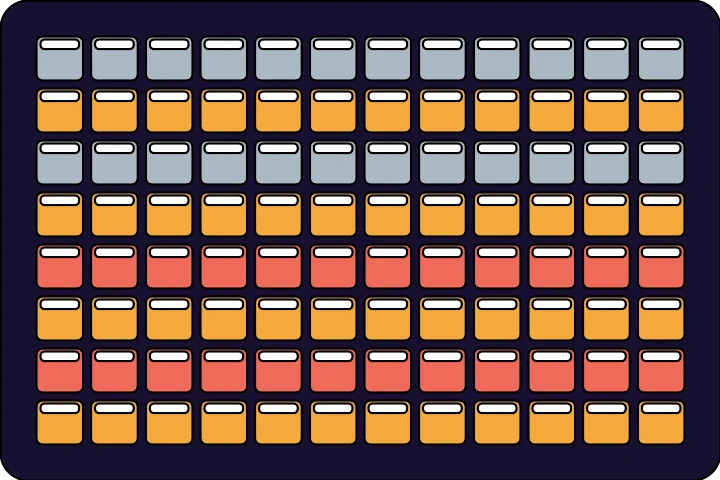
Klassisch
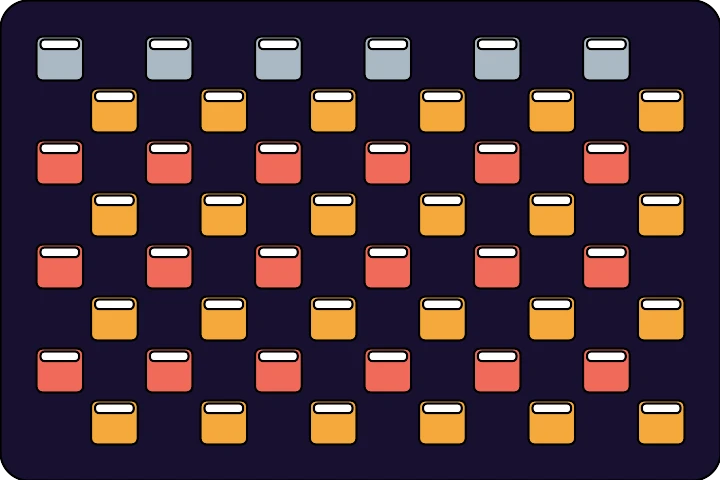
Schachbrett
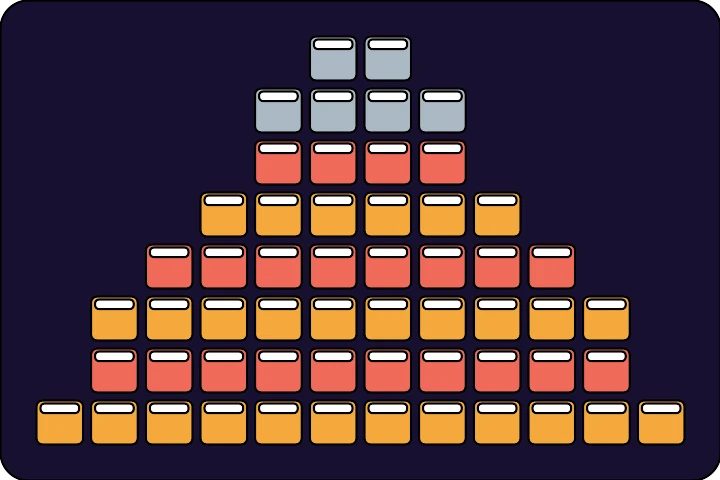
Pyramide
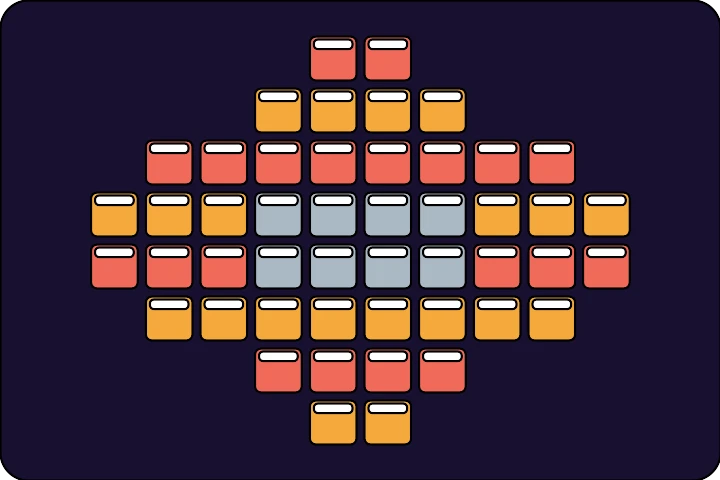
Diamant
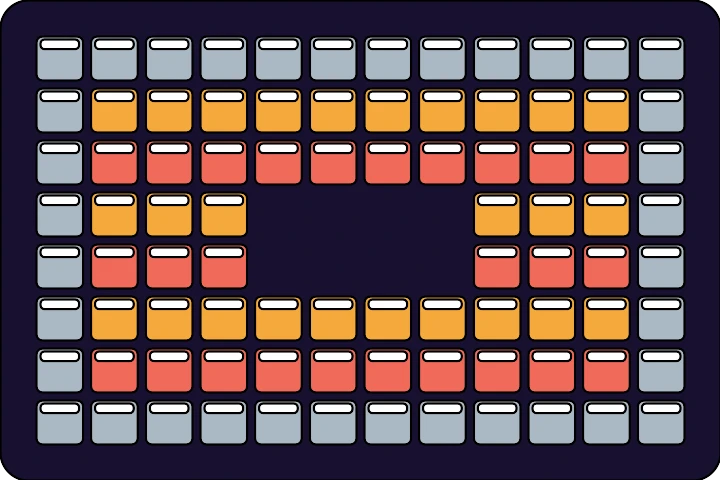
Festung
Ringe, Zickzack, Säulen und Kreuz vervollständigen das Set, und tiefere Level erhöhen den Einsatz: Steine bekommen Panzerung (ihre Farbe verrät dir, wie viele Treffer noch fehlen), und unbewegliche graue Blöcke tauchen auf, die nie abgeräumt werden müssen. Der Host stellt außerdem die Ballgeschwindigkeit ein (Entspannt, Normal oder Hektisch), die Ballanzahl (eins bis zehn für die ganze Runde, standardmäßig drei), den Rundentimer (standardmäßig Endlos, oder 30 Sekunden bis 10 Minuten) und ob Powerups erscheinen. Oder du sparst dir die Regler und schnappst dir ein fertiges Rennen:
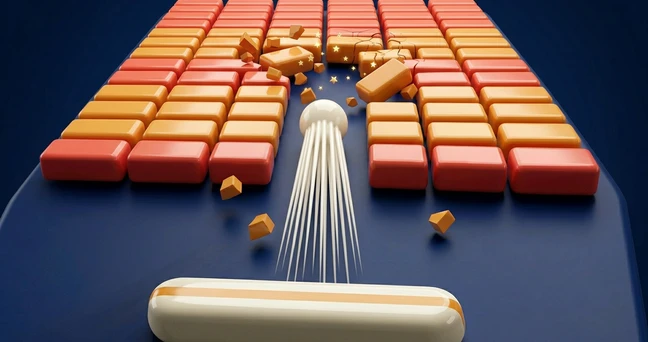
Sudden Death
Ein Ball, hektisches Tempo, 60 Sekunden. Verlierst du ihn, war's das.
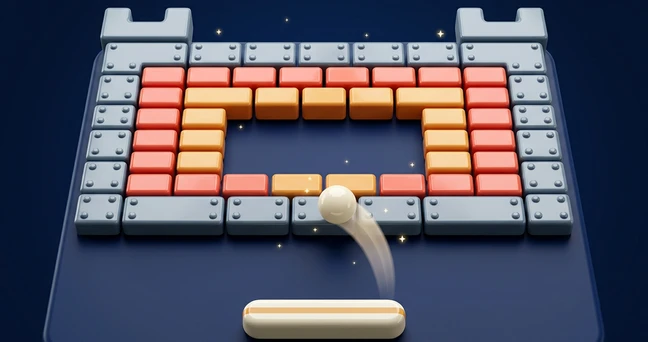
Festung
Knack die gepanzerte Hülle, um an die weiche Mauer im Inneren zu kommen.
Marathon
Fünf Bälle und fünf Minuten für eine lange, gemütliche Abrissarbeit.
Ein Sprint mit einem Ball auf Hektisch ist ein völlig anderer Abend als ein Zehn-Ball-Marathon auf Entspannt, und weil jedes Level allen Boards identisch ausgeteilt wird, kann niemand den Steinen die Schuld geben.
So spielst du Breakout
Die Steuerung passt auf zwei Karten:
Schieben zum Zielen
Bewege die Maus, zieh mit dem Finger oder halte die Pfeiltasten. Das Paddle folgt dir eins zu eins.
Klicken zum Abschuss
Klicke, tippe oder drücke Leertaste zum Aufschlag. Nach jedem verlorenen Leben dockt der Ball wieder an.
Zielen ist die ganze Kunst, und es funktioniert so: Wo der Ball dein Paddle trifft, entscheidet, wohin er als Nächstes fliegt.
1. Mitte. Fast senkrecht nach oben. Sicher, vorhersehbar, langsam.
2. Auf halber Strecke. Ein brauchbarer Winkel, um Bahnen auszuwählen.
3. Die Kante. Bis zu 60 Grad: Tunnel-Treibstoff, auf eigene Gefahr.
Der Ball beschädigt jeden Stein, den er berührt, und die Farbe eines Steins verrät dir immer, wie viele Treffer er noch aushält, von Korall mit einem Treffer bis zu Pink mit fünf:
50 Pkt.
Stein mit einem Treffer; bei gepanzerten Steinen mit fünf Treffern steigt es auf 420.
0 Pkt.
Graue Steine brechen nie und blockieren nie das Abräumen.
+500 Pkt.
Bonus fürs Abräumen eines Levels, pro Level 150 mehr.
Räumst du ein Level ab, bekommst du sofort das nächste Board, mit derselben Formenrotation, die auch auf allen Gegnerbildschirmen läuft. Jede Rettung mit dem Paddle macht den Ball ein Stück schneller, lange Ballwechsel schaukeln sich also auf. Die Geschwindigkeit ist gedeckelt, aber wenn du dort ankommst, fühlt sich das Board doppelt so lebendig an wie beim ersten Aufschlag. Fällt der Ball an deinem Paddle vorbei, verlierst du einen deiner Bälle. Er dockt für einen frischen Start wieder an, bis keiner mehr übrig ist. Steine, die du in einem einzigen Ballwechsel zerlegst (zwischen zwei Paddle-Berührungen), füttern deinen Combo-Zähler, inklusive immer höher werdender Pop-Töne und einem Ausruf auf dem Board, sobald du x3 erreichst.
Powerups, Debuffs und Glücksblöcke
Mit aktivierten Powerups (Standard) verstecken manche Steine Kapseln, die beim Zerbrechen herunterpurzeln. Fang eine mit deinem Paddle, und Schönes passiert: Großes Paddle verbreitert deine Rettungszone, Multiball teilt jeden aktiven Ball in zwei (eine seltenere Kapsel teilt sie in drei), Doppel-Paddles schweben ein zweites Paddle über das erste, Laser-Paddle lässt dich per Klick direkt auf Steine schießen, Bombenball verpasst jedem Treffer Flächenschaden für die Nachbarn, ein seltener Extra-Ball legt einen Ersatzball für die Runde zur Seite, und der sehr seltene Sternenball verwandelt deinen Ball in eine Regenbogen-Abrissbirne, die ohne Abprallen direkt durch die Steine pflügt, samt eigener Titelmusik.
Die roten Kapseln sind Sabotage: Fängst du eine, feuert sie auf einen zufälligen Gegner (Bots eingeschlossen, und Bots schießen gelegentlich zurück). Schrumpfstrahl quetscht ihr Paddle zusammen, Speed-Schub dreht ihre Ballgeschwindigkeit hoch, und Schrott-Steine kippen eine Handvoll Trümmersteine auf ihr Board, die sie abräumen müssen, bevor ihr Level als geschafft zählt. Und halt Ausschau nach goldenen, funkelnden Glücksblöcken: Wer einen zertrümmert, bekommt sofort echte Foony-Münzen. Die meisten Level haben keinen, manche einen oder zwei, und ganz, ganz selten kommt ein komplett goldenes Level.
Brick-Breaker-Strategie
Brick-Breaker-Veteranen erkennen die Grundlagen wieder, aber das Rennformat verschiebt, welche davon zählen:
- Grab zuerst einen Seitentunnel. Nutze die Paddlekante, um steile Diagonalen an einer Wand hochzuschießen. Sobald der Ball über die Steinmauer schlüpft, springt er zwischen Decke und Steinoberkanten hin und her und schreddert gratis ganze Reihen, während du das Paddle unter dem Ausgangsloch parkst.
- Umgeh die Panzerung im Rennen. Ein Stein mit fünf Treffern bringt 420 Punkte, frisst aber fünf Treffer, die bei Ein-Treffer-Steinen je 50 Punkte wären. Öffne zuerst die weichen Bahnen, lass Combos wachsen und fege die gepanzerten Kerne weg, wenn dein Ball heiß läuft (oder heb dir dafür einen Bombenball oder Sternenball auf).
- Respektier die Tempo-Rampe. Jede Rettung mit dem Paddle beschleunigt den Ball. Am Anfang halten mittige Rettungen die Winkel berechenbar, spät im Ballwechsel gib dir Puffer: Ein Ball mit Höchsttempo an der Paddlelippe ist die typische Todesart letzter Bälle.
- Spiel nach deiner Ballanzahl, nicht nach deinem Stolz. Mit drei Bällen und ohne Timer sind gierige Kantenwinkel das Risiko wert. Beim letzten Ball flach halten, sicher retten und grinden: eine eingefrorene Punktzahl gewinnt gar nichts.
- Behalt die Mini-Mauern im Blick. Die Boards deiner Gegner sind live. Ist die Mauer der Führenden fast weg, wirf die Vorsicht über Bord und zock auf den Räumbonus. Säuft dagegen die ganze Runde ab, sammle stetig Punkte und lass die anderen ihre Bälle verlieren.
Bestenlisten, Erfolge und Freischaltungen
Deine beste Rundenpunktzahl fließt in die Breakout-Bestenlisten ein, filterbar nach Tag, Woche, Monat, Jahr oder aller Zeiten. Vier Breakout-Erfolge markieren die Meilensteine, die zählen: Erster Anstoß für dein erstes beendetes Spiel, Abrisstrupp fürs Abräumen jedes Steins auf einem Board, Unantastbar fürs Abräumen einer Mauer, ohne einen einzigen Ball zu verlieren, und Speedbreaker für ein Abräumen unter 60 Sekunden. Die Seite mit den Breakout-Freischaltungen hält kontoweite Kosmetik bereit, etwa eigene Cursor, die dich in jedes Spiel auf der Seite begleiten.

Jeder Stein, den du zerlegst, zahlt auf Foony-Münzen und Konto-XP ein, die auf der ganzen Seite gelten, ob du gewinnst oder verlierst. Siege bringen mehr, und Solo-Siege skalieren mit der Bot-Stufe, gegen die du dich getraut hast.

Von Atari Breakout zum Google-Easter-Egg
Atari brachte den originalen Breakout-Arcade-Automaten 1976 heraus, mit einem Prototyp, den bekanntlich Steve Wozniak und Steve Jobs zusammengelötet haben, bevor es Apple überhaupt gab. Die Formel (ein Paddle, ein Ball, eine Steinmauer) brachte Taitos Arkanoid in die Spielhallen und Jahrzehnte später das Brick-Breaker-Spiel hervor, das BlackBerry auf Millionen von Handys vorinstalliert hat. Deshalb sucht das halbe Internet nach „Breakout-Spiel“ und die andere Hälfte nach „Brick Breaker“. Gleiches Spiel, zwei Namen.
Viele landen hier auf der Suche nach der Google-Variante: Von 2013 bis etwa 2020 verwandelte die Eingabe von „Atari Breakout“ in die Google-Bildersuche die Ergebnisse in ein spielbares Board. Google hat dieses Easter Egg abgeschaltet, der Trick funktioniert also nicht mehr. Die gute Nachricht: Was du stattdessen gefunden hast, spielt sich in jedem Browser wie der Klassiker, plus Multiplayer-Rennen, Bot-Leiter und Bestenlisten, die ein verstecktes Easter Egg nie bieten könnte. Wenn Steine-zertrümmerndes Arcade-Chaos dein Genre ist, gibt das Dino-Bomben-Getümmel von DinoMight einen guten zweiten Tab ab.