



















Horde Survivors
Horde Survivors
Horde Survivors - কো-অপ দানব ঝাঁক সারভাইভাল, ফ্রি অনলাইন
3.0
রেটিং
0
0
তোমার ব্রাউজারেই ফ্রি কো-অপ সারভাইভার্স গেম
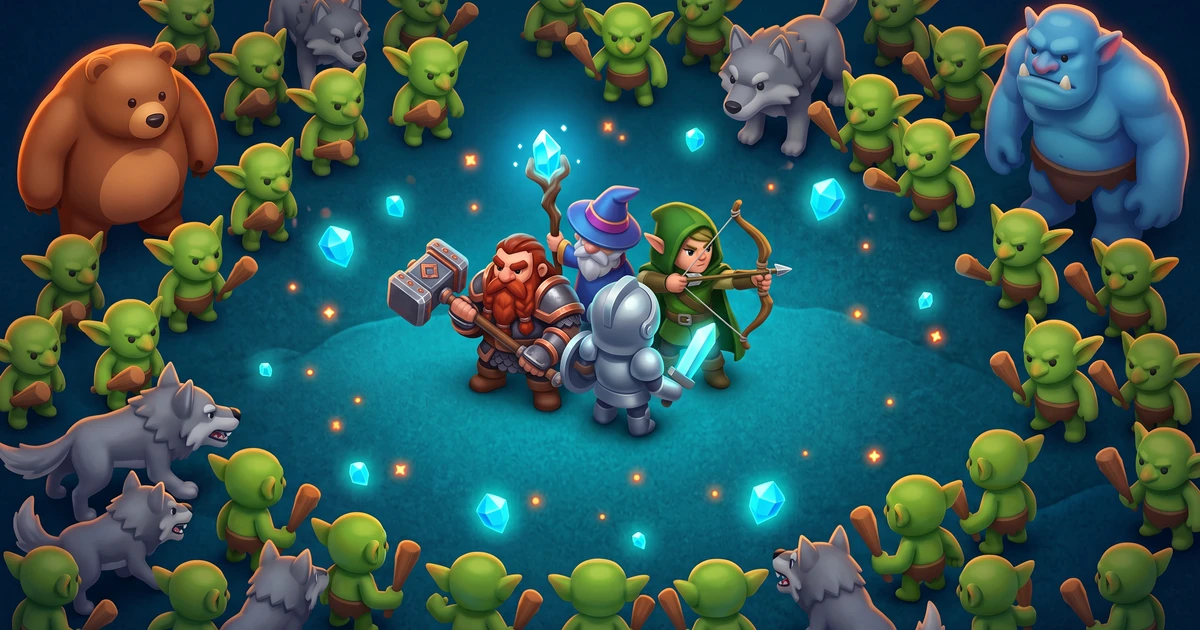
Horde Survivors একটা ফ্রি কো-অপ সারভাইভার্স গেম, যেটা তুমি ব্রাউজারে অনলাইনে খেলো: রুমের সবাই একটাই অনন্ত রান ভাগ করে নেয়, ফ্যান্টাসি মনস্টারের ঢল আসতে থাকে আর পুরো দল না পড়া পর্যন্ত শক্ত হতেই থাকে, আর অস্ত্রগুলো নিজে নিজেই আক্রমণ করে যাতে তোমার পুরো মন থাকে ঘেরাও না হওয়ার দিকে। তুমি শুরু করলেই রান শুরু, একা কিংবা একই ম্যাপে ১০০ জন পর্যন্ত প্লেয়ারের সঙ্গে, আর ঢুকতে কিছু ইনস্টল করাও লাগে না, সাইনআপও লাগে না।
এই জঁরের বাকিদের থেকে এটাকে আলাদা করে দেয় একটা জিনিস: রানটাই ভাগ করে নেওয়া। তোমার সঙ্গীরা কোনো স্কোরবোর্ডের ভূত নয়। ওরা তোমার পাশে লড়ে, ওদের কাছে দাঁড়ালে ওদের XP জেম তোমারও কাজে লাগে, আর তুমি পড়ে গেলে ওদের জন্যই আবার উঠে দাঁড়াও।
বন্ধুদের সঙ্গে মাল্টিপ্লেয়ার হর্ড সারভাইভাল
একটা রুম বানাও, ইনভাইট লিংক পাঠিয়ে দাও। বন্ধুরা যেকোনো আধুনিক ব্রাউজার থেকে, ফোন বা ডেস্কটপে, জয়েন করতে পারে, এমনকি চলতে থাকা রানেও ঢুকতে পারে: দেরিতে আসা কেউ বেঁচে থাকা এক সঙ্গীর পাশে স্পন হয়, দলের সঙ্গে মানানো লেভেলে, আর কয়েক সেকেন্ডেই লড়াইয়ের জন্য তৈরি। রান সবচেয়ে ভালো লাগে দশজনের আশেপাশে, আর রুমের সর্বোচ্চ সীমা ১০০।
মাঠের প্রতিটা হিরোই আসল মানুষ। Horde Survivors-এ কোনো বট নেই, তাই একা রান মানে সত্যিই তুমি বনাম গোটা দল, আর তাতে অন্যদের সঙ্গে লড়ার চেয়ে একটু কম পাওয়া যায়। পড়ে যাওয়াও শেষ নয়: পড়ে যাওয়া হিরো ৬০ সেকেন্ড পর্যন্ত হেঁচড়ে চলে, আর কোনো সঙ্গী তোমার পাশে ৩ সেকেন্ড দাঁড়ালেই অর্ধেক হেলথ নিয়ে তুলে দেয়। কেউ পৌঁছাতে না পারলে তুমি দর্শক হয়ে থাকতে পারো, কিংবা তোমার থাকা যেকোনো হিরো নিয়ে একই রানে আবার ঢুকতে পারো, একটা ক্যাচ-আপ লেভেল আর সেই হিরোর শুরুর অস্ত্র নিয়ে। কেউ দাঁড়িয়ে না থাকলেই রান শেষ, তাই একা রানে তোমার প্রথম পতনই শেষ।
তিনটা ম্যাপ, তিনটা ডিফিকাল্টি
রান শুরুর আগে হোস্ট রুমের ডিফিকাল্টি বেছে নেয়। নরমাল হলো ভিত্তি। হার্ড মনস্টারের হেলথ আর ক্ষতি ১.৪ গুণ করে, এম্বার আয় ১.২৫ গুণ। নাইটমেয়ার মনস্টারের হেলথ আর ক্ষতি দ্বিগুণ করে, এম্বার ১.৫ গুণ। হোস্ট এটাও ঠিক করে দেয় রুমে কতজন প্লেয়ার ঢুকবে, ১০০ পর্যন্ত।
তার ওপর ম্যাপ হলো দ্বিতীয় ডিফিকাল্টির নব। বন হলো ভিত্তি, চওড়া খোলা মাঠ, লুকানোর জায়গা নেই, দলকে ঠেসে ধরার দেয়ালও নেই, আর নেকড়ে ও ট্রিয়েন্ট এখানেই সবচেয়ে ঘন। ক্রিপ্ট-এ মনস্টার ১.২৫× শক্তিতে আসে আর এম্বার ১.১৫×, আর এখানকার স্পন ঝুঁকে থাকে অশান্ত মৃতদের দিকে: আনডেড, উইস্প, গার্গোয়েল, জীবন্ত বর্ম আর ওত পেতে থাকা মিমিক। আগ্নেয়গিরি সবচেয়ে কঠিন স্টেজ, ১.৫× মনস্টার আর ১.৩× এম্বার, যেখানে রাজত্ব করে ড্রেক আর সাইক্লপস। দুই নবই একসঙ্গে যোগ হয়, তাই নাইটমেয়ার আগ্নেয়গিরির রানে মনস্টারের শক্তি তিন গুণ।
কঠিন স্টেজগুলো এমনি এমনি পাওয়া যায় না, জিতে নিতে হয়। ১৫ মিনিট টিকলে ক্রিপ্ট খোলে, এল্ডার লিচের মৃত্যুর সময় পাশে দাঁড়ালে আগ্নেয়গিরি খোলে, আর ৩০ মিনিট টিকলে নাইটমেয়ার খোলে। রুমের হোস্টের আনলকই ঠিক করে রুম কী খেলতে পারবে, তাই একজন পোড়খাওয়া বন্ধু সবার জন্যই কঠিন স্টেজগুলো খুলে দেয়।
Horde Survivors কীভাবে খেলবে
তুমি কেবল চলাচল নিয়ন্ত্রণ করো: ডেস্কটপে WASD বা অ্যারো কী, টাচ স্ক্রিনে জয়স্টিক। বাকি সবকিছু নিজে থেকেই হয়। তোমার অস্ত্র নিজের কুলডাউনেই চলে, মরা মনস্টার XP জেম ফেলে, আর প্রতিটা লেভেল আপে খেলা থেমে গিয়ে তিনটার মধ্যে একটা কার্ড বাছতে দেয়। কার্ড হয় নতুন অস্ত্র, নতুন প্যাসিভ, নয়তো তোমার কাছে থাকা কোনো কিছুর র্যাংক আপ।
তোমার বিল্ডে চারটা অস্ত্রের স্লট আর চারটা প্যাসিভ স্লট, আর প্রতিটা অস্ত্র ও প্যাসিভ ১ থেকে ৫ র্যাংক পর্যন্ত ওঠে। সবাই শুরু করে সাতটা খুঁজে পাওয়ার মতো অস্ত্র নিয়ে: সোর্ড স্যুইপ, অ্যারো ভলি, ম্যাজিক বোল্ট, হ্যামার স্ল্যাম, ফ্রস্ট নোভা, হোলি অরা আর উলফ কম্প্যানিয়ন, একটা আত্মা-নেকড়ে যে মাঠের সবচেয়ে বড় জিনিসটার পিছু নেয়। র্যাংক ৫-এই প্রতিটা অস্ত্র তার নিজের বিশেষ চাল পায়। তলোয়ার তোমার পিছনেও কাটতে শুরু করে, হাতুড়ি যা ছিটকে দেয় সবকিছুকেই স্টান করে, অরা তোমাকে সারাতে শুরু করে, আর নেকড়ে হয়ে যায় দুই নেকড়ে। পাঁচটা শুরুর প্যাসিভ (সুইফট বুটস, হোয়েটস্টোন, হার্ট অ্যামুলেট, লোডস্টোন, আওয়ারগ্লাস) বাড়ায় গতি, ক্ষতি, হেলথ, তুলে নেওয়ার পরিসর আর আক্রমণের হার।
অ্যাচিভমেন্ট সেই তালিকাটা বড় করে। খেলে খেলে আরও চারটা অস্ত্র জেতা যায়: বুমেরাং অ্যাক্স (এক রানে ২৫টা বড় মনস্টার ফেলো), চেইন করা স্টর্ম কয়েল (এক রানে ১,৫০০ কিল), স্পিরিট বিজ (৩০০টা স্লাইম বা স্পোরলিং পিষে ফেলো) আর দলকে ধাক্কা দেওয়া ওয়ারহর্ন (এক রানে তিন বসকেই নামাও)। একইভাবে আরও চারটা প্যাসিভ জেতা যায়, ক্ষতি সহ্য করে, এম্বার জমিয়ে, রিভাইভ হয়ে আর এলিট শিকার করে। একবার আনলক হলে ওরা তোমার পরের সব রানের লেভেল-আপ বাছাইয়ে যোগ দেয়।
ইভোলিউশনের পরেও আছে ইউনিয়ন: মিলে যাওয়া দুইটা অস্ত্রকে সর্বোচ্চ র্যাংকে নিয়ে গেলে লেভেল আপে ওদের মার্জ অফার আসতে পারে। সোর্ড স্যুইপ আর হ্যামার স্ল্যাম মিলে হয় সান্ডারগার্ড, অ্যারো ভলি আর ম্যাজিক বোল্ট মিলে হয় স্পেলস্টর্ম, ফ্রস্ট নোভা আর হোলি অরা মিলে হয় অরোরা। ইউনিয়ন দুই পিতৃ-অস্ত্রের যেকোনোটার চেয়েই শক্তিশালী, আর একটা অস্ত্রের স্লট খালি করে দেয়, সেটাই আসল পুরস্কার: চার-স্লটের বিল্ডে পাঁচ নম্বর অস্ত্র।
যুদ্ধক্ষেত্র নিজেও দেয়। ব্যারেল, কবরের পাত্র আর জ্বলজ্বলে জিওড (প্রতি ম্যাপে এক ধরনের) তোমার পথে পড়ে থাকে; ভেঙে ফেললে পাবে XP জেম, এম্বার, আর কখনও মেঝেতে পড়া জিনিস: একটা রোস্ট ভোজ যা তোমার হেলথের এক-তৃতীয়াংশ ফিরিয়ে দেয়, একটা ম্যাগনেট যা মাঠের সব XP জেম পুরো দলের জন্য টেনে নেয়, কিংবা মরা এলিটদের ফেলে যাওয়া একটা গুপ্তধনের বাক্স যা তোমাকে একটা ফ্রি লেভেল-আপ বাছাই জমা করে দেয়।
র্যাংক ৫-ই শেষ সীমা নয়। প্রতিটা অস্ত্রেরই একটা ইভোলিউশন আছে, ঠিক অস্ত্রের সঙ্গে ঠিক প্যাসিভ জুড়লেই খোলে, যেমন Vampire Survivors-এ আইটেম কম্বো কাজ করে। সঙ্গী প্যাসিভ সঙ্গে রেখে কোনো অস্ত্রকে সর্বোচ্চে তোলো, আর পরের লেভেল আপে ইভলভড রূপ অফার হতে পারে: হোয়েটস্টোনের সঙ্গে সোর্ড স্যুইপ হয় ব্লেডস্টর্ম, ইস্পাতের পুরো একটা বৃত্ত; লোডস্টোনের সঙ্গে অ্যারো ভলি হয় অ্যারোস্টর্মের দশ-তিরের ছড়ানো ঝাপ্টা; হার্ট অ্যামুলেটের সঙ্গে হ্যামার স্ল্যাম হয় স্টান করা আর্থশ্যাটার; সুইফট বুটসের সঙ্গে ফ্রস্ট নোভা হয় অ্যাবসলিউট জিরো; আওয়ারগ্লাসের সঙ্গে ম্যাজিক বোল্ট হয় আর্কেন টেম্পেস্ট; হার্ট অ্যামুলেটের সঙ্গে হোলি অরা হয় সারিয়ে তোলা স্যাংচুয়ারি; আর সুইফট বুটসের সঙ্গে উলফ কম্প্যানিয়ন হয় চার-নেকড়ের উলফ প্যাক।
দলের একটা সময়সূচি আছে। নির্দিষ্ট মিনিটে নতুন ধরনের মনস্টার শিকারে যোগ দেয়, স্লাইমের বান আর মাশরুম স্পোরলিং থেকে শুরু করে গুপ্তধনের বাক্স সাজা মিমিক, ভুতুড়ে বর্ম, সাইক্লপস আর ড্রেক পর্যন্ত। ৫ মিনিট থেকে জ্বলজ্বলে এলিটরা আসতে শুরু করে, আর প্রতি দশ মিনিটে একটা বস ঢোকে, ঘুরে ফিরে আসে ওর্ক ওয়ারলর্ড, এল্ডার লিচ আর প্রাচীন ড্রাগন। ৪০ মিনিট থেকে বসরা আসে প্রতি পাঁচ মিনিটে, প্রত্যেকে আগেরটার চেয়ে শক্ত, তাই লম্বা রান ধীরে ধীরে ক্ষয়ে না গিয়ে শেষ হয় মনে রাখার মতো একটা লড়াইয়ে:
এম্বার আর স্থায়ী আপগ্রেড
এম্বার হলো রানের মুদ্রা যা রান শেষ হলেও টিকে থাকে। এলিট কিল আশপাশে লড়া সবাইকে অল্প কিছু দেয়, বস কিল আরও বেশি দেয়, প্রতিটা সক্রিয় মিনিটে একটু একটু জমে যা তুমি যত বেশি টেকো তত বাড়ে, আর কিছু লেভেল-আপ কার্ড আপগ্রেডের বদলে এম্বারের একটা সাপ্লাই ক্যাশ অফার করে।
দুই রানের মাঝে আপগ্রেড ট্যাব এম্বারকে আটটা ট্র্যাকে স্থায়ী শক্তিতে বদলে দেয়: ভাইটালিটি (সর্বোচ্চ হেলথ), মাইট (ক্ষতি), আয়রন স্কিন (আর্মার), সুইফটনেস (গতি), ম্যাগনেট (তুলে নেওয়ার পরিসর), উইজডম (দ্রুত XP), র্যালি (দ্রুত রিভাইভ আর ধীরে রক্তক্ষরণ) আর অ্যালাক্রিটি (দ্রুত অস্ত্র)। প্রতিটা ট্র্যাকে পাঁচটা র্যাংক, প্রতি ধাপে দাম প্রায় দ্বিগুণ হয়, আর পুরো বোর্ড সর্বোচ্চে তুলতে লাগে প্রায় ৩০,৩৪০ এম্বার, একটা লম্বা দৌড়ের প্রজেক্ট যা প্রতিটা রানকেই অগ্রগতির মতো লাগায়।
Horde Survivors স্ট্র্যাটেজি
সোজা লাইনে নয়, বড় বড় বৃত্তে চলো। দল সব সময় তোমার দিকেই হাঁটে, তাই বৃত্তে ঘুরলে ওরা পিছনে একটা জটলায় জমে যায় যেটা তোমার আর্ক অস্ত্র চিবিয়ে ফেলতে পারে, আর সোজা ছুটলে চারদিকে কেবল নতুন মনস্টারই পাবে। তোমার হিরো শেষ যেদিকে গিয়েছিল সেদিকেই মুখ করে থাকে, আর সোর্ড স্যুইপ র্যাংক ৫-এর আগে শুধু সামনেই কাটে, তাই জটলাটা সামনে রাখো, পিছনে নয়।
নতুন অস্ত্র জোগাড়ের আগে শুরুর অস্ত্রটার র্যাংক বাড়াও। প্রথম পাঁচ লেভেলে গেম ইচ্ছে করেই তোমার শুরুর অস্ত্রের র্যাংক আপ বেশি অফার করে, আর একটা র্যাংক ৩ অস্ত্র শুরুর মিনিটগুলো তিনটা ধীরে ছোড়া র্যাংক ১ অস্ত্রের চেয়ে দ্রুত সাফ করে।
দুই দূরত্বই সামলাও। একটা কাছের অস্ত্র (সোর্ড স্যুইপ, হ্যামার স্ল্যাম, হোলি অরা) সামলায় যা তোমার কাছে পৌঁছে যায়, আর একটা দূরপাল্লার অস্ত্র (অ্যারো ভলি, ম্যাজিক বোল্ট, উলফ কম্প্যানিয়ন) পাতলা করে যা এখনও আসছে। ফ্রস্ট নোভা হলো আঠা: এর রিং যা ছোঁয় তাকে অর্ধেক পর্যন্ত ধীর করে দেয়, ফলে তোমার দিকে ছুটে আসা নেকড়ের ঝাঁক হয়ে যায় এমন এক দেয়াল যার পাশ কাটিয়ে তুমি হেঁটে চলে যেতে পারো।
দলের কাছে থাকো। তোমার কাছাকাছি তুলে নেওয়া জেম তোমার XP-ও বাড়ায়, রিভাইভের পরিসর তখনই কাজে লাগে যখন কেউ তার ভিতরে থাকে, আর প্লেয়াররা গা ঘেঁষে থাকলে গেম প্রতি প্লেয়ারে কম মনস্টার স্পন করে, তাই ম্যাপজুড়ে ছড়িয়ে থাকা পাঁচজন একা খেলুড়ের চেয়ে একটা ঠাসা দলের মাথাপিছু দল পাতলা হয়। নাইটমেয়ার ধরার আগে এম্বার ঢালো র্যালি আর ভাইটালিটিতে: রিভাইভই এখানে পুরো ডিফিকাল্টি।
লিডারবোর্ড, অ্যাচিভমেন্ট আর হিরো
প্রতিটা রান Horde Survivors লিডারবোর্ডে দুইটা স্কোর পাঠায়, সবচেয়ে দীর্ঘ রান আর নিহত মনস্টার, আর র্যাংকিং হয় এক দিন থেকে সর্বকালীন, প্রতিটা সময়সীমাতেই। ২৮টা Horde Survivors অ্যাচিভমেন্ট সেই মুহূর্তগুলো চিহ্নিত করে যেগুলো নিয়ে গর্ব করা যায়, যেমন প্রতিটা বসের মৃত্যুর সময় পাশে থাকার জন্য ওয়ারলর্ডস বেন, লিচ স্লেয়ার আর ড্রাগনস বেন, এক রানে তিনজনকেই ফেলার জন্য ফুল সাইকেল, এক রানে দুইটা অস্ত্র ইভলভ করার জন্য ডাবল ইভোলিউশন, দশজন প্লেয়ার বেঁচে থাকা অবস্থায় ২০ মিনিট টেকার জন্য প্যাকড হাউস, একটাও প্যাসিভ ছাড়া ৩০ মিনিট টেকার জন্য ওয়েপনস অনলি, আর সবচেয়ে বড় ট্রফি ফুল আর্সেনাল, এক রানেই চার অস্ত্র আর চার প্যাসিভের গোটা বিল্ড সর্বোচ্চ র্যাংকে তোলার জন্য। এদের প্রায় অর্ধেকই এমন কিছু আনলক করে যা দিয়ে তুমি পরে খেলবে: একটা ম্যাপ, একটা ডিফিকাল্টি, একটা অস্ত্র বা একটা প্যাসিভ।
গেমে লেভেল বাড়ালে সাতজন Horde Survivors হিরোর তালিকা খুলে যায়। সবাই শুরু করে হিউম্যান নাইট দিয়ে, ভরসার এক তলোয়ারবাজ। এল্ফ রেঞ্জার (লেভেল ৫) বেশি দ্রুত আর শুরু করে অ্যারো ভলি নিয়ে, ডোয়ার্ফ ওয়ারিয়র (লেভেল ১৫) গতি ছেড়ে নেয় আর্মার আর হাতুড়ি, আর নোম উইজার্ড (লেভেল ৩০) ভঙ্গুর কিন্তু দ্রুত কাস্ট করে আর সবার চেয়ে দ্রুত লেভেল বাড়ায়। শেষের দিকের তালিকাতেই থাকে অদ্ভুত হিরোরা: ডোয়ার্ফ রুনপ্রিস্ট (লেভেল ৫০) জ্বলজ্বলে হোলি অরা গায়ে জড়িয়েই যুদ্ধে নামে, ড্রায়াড বিস্টকলার (লেভেল ৬০) প্রতিটা রান শুরু করে তার আত্মা-নেকড়ে আগেই শিকারে নেমে থাকা অবস্থায়, আর ফ্রস্টহার্ট ইয়েতি (লেভেল ৭০) বিশাল, হাসিখুশি এক পেশির দেয়াল যে শুরু করে ফ্রস্ট নোভা দিয়ে।
Horde Survivors বনাম Vampire Survivors
Vampire Survivors ২০২২ সালে এই জঁরের আধুনিক চেহারাটা তৈরি করেছিল, সেই ধারাটার নথি আছে উইকিপিডিয়ার Vampire Survivors পাতায়, আর প্লেয়াররা তারপর এই ধরনটার নাম দিয়েছে বুলেট হেভেন: এমন এক বুলেট হেল যেখানে স্ক্রিন ভরানোর কাজটা তুমিই করো। Horde Survivors হলো সেই ভাবনার ওপর Foony-র ব্রাউজার-নেটিভ রূপ, গথিক দুর্গের বদলে নিজের হাই-ফ্যান্টাসি মনস্টারের তালিকা নিয়ে।
আসল তফাত হলো আকার আর একসঙ্গে থাকা। Vampire Survivors-এর অফিশিয়াল কো-অপে চারজন পর্যন্ত খেলতে পারে, poncle-এর নিজের কো-অপ FAQ অনুযায়ী। Horde Survivors-এর একটা রানে গোটা রুম ধরে, অচেনা মানুষ আর বন্ধুরা রানের মাঝপথে ঢুকতে পারে, আর রিভাইভ, ভাগ করা XP আর ক্যাচ-আপ লেভেল একেবারে মূল নিয়মেই গাঁথা, কারণ রানটা একসঙ্গে টিকে থাকার জন্যই বানানো। যদি Vampire Survivors-এর মতো এমন গেম খুঁজছিলে যাতে ডাউনলোডও লাগে না, কনসোলও লাগে না, তাহলে এটাই সেই গেম যা অন্যদের সঙ্গে খেলার জন্য বানানো।
মনস্টারের হুল্লোড় আরও ছোট, আরও ধারালো ডোজে চাও? ফুনি ডাইনোমাইট অনন্ত দলের বদলে দেয় বিস্ফোরক ডাইনো-বনাম-ডাইনো রাউন্ড, যেগুলো একটা শেয়ার করা রুম লিংক থেকে ঠিক তত দ্রুতই শুরু হয়।