



Go - Maglaro ng Go Online: Mabilis na 9x9 hanggang Buong 19x19 Boards, Mga Kaibigan at Bots
4.7
Rating
21
2
Go Board Game Online: ang Pinakamatandang Laro ng Estratehiya, Ginawang Mabilis
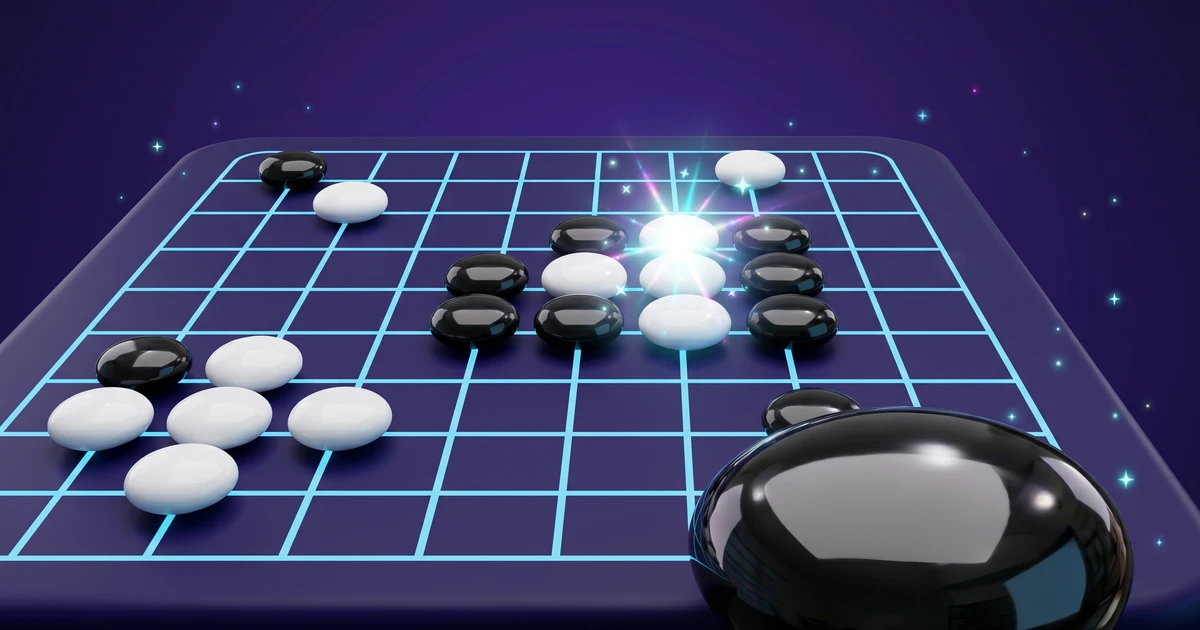
Ang Foony Go ay libreng online na Go board game na may mabilisang 9x9 at 13x13 na board, may full 19x19 tournament board na isang preset lang ang layo, mga room na may invite link para sa laban kasama ang mga kaibigan, 6 na level ng bot, at automatic na pag-score sa sandaling pumasa ang dalawang manlalaro. Ang larong kilala bilang baduk sa Korea at weiqi sa China ay nilalaro na nang mahigit 2,500 taon, at kasya sa dalawang pangungusap ang mga patakaran nito: palibutan ang walang laman na teritoryo, at kunin ang mga bato ng kalaban sa pamamagitan ng pag-alis ng huli nilang liberty. Dito, diretso itong nagla-load sa lobby sa kahit anong browser, walang account at walang i-install.
Karamihan sa mga Go site ay binabalot ang laro sa seremonya: mga rank certificate, ladder, at manual na negosasyon sa mga patay na bato sa dulo ng bawat laro. Ang Foony Go ay ginawa para talagang matapos mo ang unang laro mo. Ang default na board ay 9x9, sampu hanggang bente minuto lang ang buong laban, at ang server na mismo ang nagsi-score ng huling posisyon para sa iyo at kinukulayan ang bawat puntos ng teritoryo sa kulay ng may-ari nito, kaya wala nang pagtatalo kung sino ang nanalo. Kapag handa ka na sa mahabang laro, ang Full 19x19 preset ang mismong board na ginagamit sa propesyonal na Go.

Maglaro ng Go Online Kasama ang mga Kaibigan o Laban sa Computer
Gumawa ng room, i-share ang link, at makakasali ang kaibigan mo mula sa kahit anong phone, tablet, o desktop browser: itim laban sa puti, harapan. Ang turn timer ay 30 segundo bawat bato bilang default, at kayang hilahin ng host hanggang dalawang minuto o i-off ito para sa mabagal at mapag-isip na laro. Kapag naubos ang oras mo, ang room na ang papasa para sa iyo, kaya kahit iniwan ang laro, natatapos pa rin ito at nasi-score imbes na mag-hang nang habambuhay.
Mas gusto mong maglaro ng Go online laban sa computer? May puwesto ang mga room para sa bot sa anim na level, mula Beginner hanggang Master: Beginner, Easy, Intermediate, Hard, Expert, at Master. Ang dalawang pinakamadali (mga 25 at 18 kyu) ay basta na lang naghahagis ng random na bato, kaya perpekto silang target para magpraktis ng pagkuha habang natututo ka ng mga hugis. Ang apat na mas mataas na level ay gumagamit ng tunay na Go engine na naka-tune sa isang target na rank, mula Intermediate na malapit sa 12 kyu pababa sa Master na malapit sa 2 kyu: kumukuha sila ng mga kapaki-pakinabang na capture, sinasagip ang sarili nilang grupo mula sa atari, binabantaan ang sa iyo, nagtatayo ng teritoryo, at alam nila kung kailan sila panalo sa pagpasa. Ang mga solo na panalo laban sa bot ay nagbibigay ng XP na naka-scale sa level na pinili mo.
Kaya rin ng mga room ang higit pa sa dalawang upuan. Ang mga dagdag na manlalaro ay napupunta sa itim o puting team at nagsasalitan sa turno nang paikot, kaya kayang magsiksikan ng isang club night o isang buong klase sa iisang board nang walang basta nanonood lang sa gilid.
Piliin ang Iyong Larangan: 9x9, 13x13, o 19x19
Ang host ang pumipili ng board sa lobby. May dahilan kung bakit ang default na 9x9 na board ang laging ibinibigay ng mga guro sa mga baguhan: mahalaga ang bawat bato mula sa unang galaw, agad nagsisimula ang mga away, at natatapos ang buong laro sa sampu hanggang bente minuto, kaya kasya ang tatlong rematch sa oras ng iisang laro sa malaking board. Ang 13x13 na board ang gitnang landas, may tunay na sulok-muna-tapos-gilid na pagbubukas sa kalahati lang ng commitment. At ang Full 19x19 preset ang tunay na bagay: ang board na ginagamit sa propesyonal na Go, 361 na interseksyon na may buong opening theory, labanan sa tatlong harapan, at mas maluwag na turn timer dahil ilang daang galaw ang isang kumpletong laro. Ang komi ay ang standard na 7.5 puntos na idinadagdag sa iskor ng Puti para balansehin ang unang galaw ng Itim, at dahil sa kalahating puntos, hindi kailanman magtatabla ang isang na-score na laro.
Mga Patakaran ng Go Board Game: Paano Maglaro
Ilagay
I-click ang kahit anong walang laman na interseksyon para maglagay ng bato. Unang gumagalaw ang Itim. Hindi na gumagalaw ang mga bato kapag nailagay na.
Kunin
Ang grupong walang natitirang walang laman na katabi (liberties) ay nakukuha at inaalis. Kapag isa na lang ang natirang liberty, tinatawag itong atari.
Ko
Walang galaw na pwedeng umulit sa naunang posisyon ng board, kaya imposible ang paikot na kuha-balik-kuha.
Iskor
Dalawang sunod na pass ang nagtatapos ng laro. Ang mga bato mo kasama ang mga walang laman na puntos na ikaw lang ang nakapalibot ang iyong iskor.
Narito ang buong patakaran sa pagkuha, sa tatlong galaw lang. Ang mga walang laman na katabi ng isang bato ay ang liberties nito; punan ang huli at aalis na sa board ang bato:
1. Liberties. May apat na walang laman na katabi ang nag-iisang bato.
2. Atari. Tatlong itim na bato, isang liberty na lang ang natira.
3. Nakuha! Inaalis ito ng pang-apat na bato sa board.
Gumagamit ang Foony Go ng area scoring na may positional superko rule, ang parehong simpleng ruleset (madalas tawaging mga patakarang Tromp-Taylor) na ginagamit sa pananaliksik sa computer Go, dahil inaalis nito ang isang hakbang na nakakalito sa lahat ng baguhan sa ibang server: walang negosasyon sa mga patay na bato. Ino-score ang board nang eksakto kung ano ang nakalatag, kaya kung patay na ang grupo ng kalaban sa loob ng teritoryo mo, kunin mo muna bago ka pumasa. May preview ang galaw mo sa ilalim ng cursor, may maliit na singsing ang huling batong nailagay, live na nag-a-update ang bilang ng nakuha sa side panel, at hindi basta tinatanggap ang mga suicide move.
Kapag pumasa ang dalawang manlalaro, ang board na mismo ang nagsi-score. Isang puntos ang bawat bato, at ang bawat walang laman na puntos na napalibutan ng iisang kulay ay puntos para sa kulay na iyon, minamarkahan nang ganito mismo sa laro:
Itim: 10
5 bato + 5 teritoryo
Puti: 22.5, panalo
5 bato + 10 teritoryo + 7.5 komi
Estratehiya sa Go para sa mga Baguhan
- Sulok muna, tapos gilid, tapos gitna. Pinakamura ang teritoryo kung saan kalahati ng pagpalibot ay ginagawa na ng gilid. Sa 13x13, magbukas sa ikatlong linya mula sa gilid; sa 9x9, malakas parehas ang ikatlong linya at ang mga puntos sa gitna.
- Bilangin ang liberties bago makipag-away. Apat lang ang pinakamarami sa isang bato; pinaghahatian ng buong grupo ang liberties nito. Kapag bumaba na sa isang liberty ang grupo ng kalaban (atari), hanapin muna ang susunod na hakbang bago mo kunin: minsan mas malaki ang halaga ng banta kaysa sa mismong pagkuha.
- Huwag mong iligtas ang bawat bato. Magandang kalkulasyon ang iwanan ang isang bato para kumita ng sampung puntos sa ibang bahagi. Ang Landslide achievement ay para sa mga manlalarong nag-iisip sa puntos, hindi sa pagsagip.
- Ikonekta ang mga grupo mo, putulin ang kanila. Dalawang mahinang grupo, dalawang problema; ang isang konektadong grupo ay kadalasang buhay. Ang galaw na sabay na nagkokonekta sa iyo at pumuputol sa kalaban ay halos palaging tama.
- Pumasa nang may dahilan. Sa area scoring, walang mawawala sa iyo kapag pinunan mo ang sarili mong teritoryo, pero pwedeng mabaligtad ang iskor kung papasa ka habang may patay na grupo ng kalaban na hindi pa nakukuha. Maglinis muna, tapos pumasa.
Leaderboards, Achievements, at Items
Bawat natapos na laro ay pumapasok sa Leaderboards ng Go, na pwedeng i-filter ayon sa araw, linggo, buwan, taon, o all-time. May apat na Achievements sa Go na pwede mong habulin: First Stone sa pagtapos ng laro, Stone Collector sa unang pagkuha mo, Big Capture sa pagkuha ng lima o higit pang bato sa iisang galaw, at Landslide sa pananalo sa isang na-score na laro nang bente puntos o higit pa. Ang pahina ng Items ng Go ang sumusubaybay sa mga cosmetic ng account (tulad ng custom cursors) na pwede mong i-equip sa board.

Bawat laro ay nagbibigay ng Foony coins at account XP na dala mo sa buong site, panalo man o talo. Mas malaki ang bayad ng panalo, at ang mga solo na panalo ay naka-scale sa level ng bot na tinapatan mo.

Go laban sa Chess
Ang chess ay labanan para patayin ang isang piyesa; ang Go ay pagtatalo tungkol sa lupa. Nagsisimula ang chess sa punong board na unti-unting nauubos; nagsisimula ang Go sa walang laman na board na unti-unting napupuno. Mas simple nang malayo ang mga patakaran ng Go, pero mas malalim ang laro sa lahat ng masusukat na pamantayan: nasakop ng mga computer ang chess noong 1997, pero lumaban ang Go hanggang sa laban ng AlphaGo kay Lee Sedol noong 2016, dalawang dekada ang layo. Kung mahilig kang mag-isip nang ilang galaw na maaga sa chess online, makakamot ng Go ang parehong kati na may mas banayad na simula: kasya sa ulo mo ang lahat ng patakaran pagkatapos ng isang laro, at pinapaikli at pinapamura ng 9x9 na board ang mga unang talo mo.
Kung mga larong pang-teritoryo ang trip mo, malalim ang istante ng board games ng Foony: subukan ang checkers para sa purong taktika o ang 4 in a Row Connect para sa panandaliang laro sa pagitan ng mga round.